ORP. 1.0.0
is out.
Return to your own sounds.
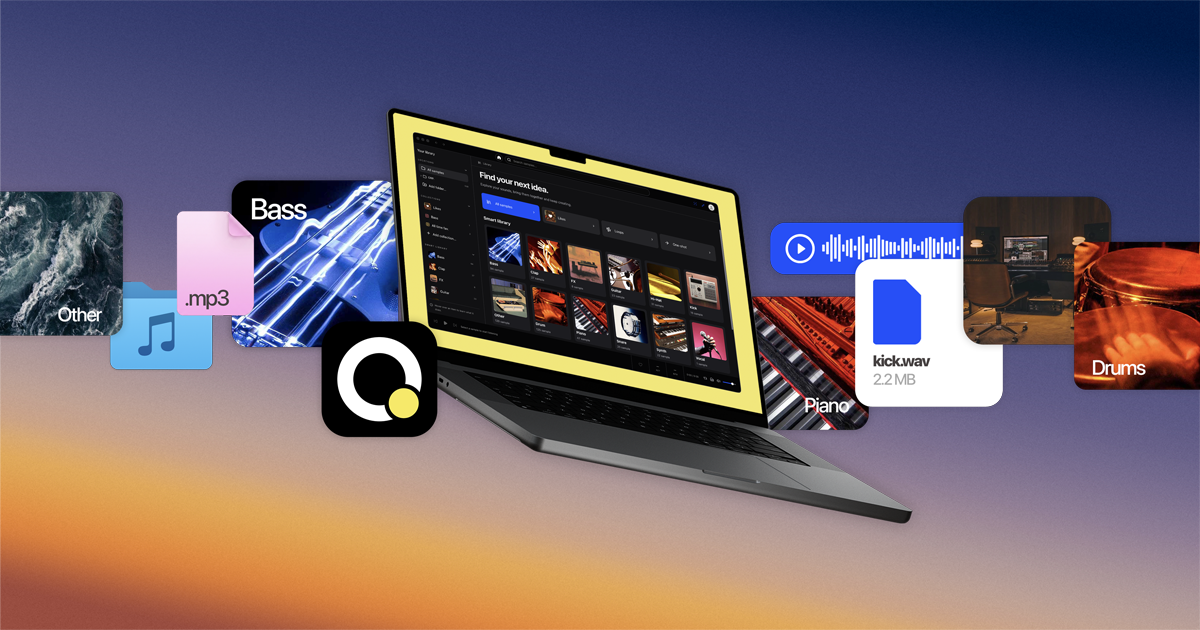
ORP. began with a simple question: why does a sample archive become harder to use as it grows?
Over the years, we collect thousands of sounds. Different drives, old folders, similar file names and samples whose origins we no longer remember. The sound we need is often already on our computer. Yet searching for it pulls us away from the idea.
We built ORP. to shorten that distance.
Your sounds are still there.
Not more samples.
ORP. is not a sample store. It does not bring you more sounds. It helps you see your own archive in one workspace, hear it again and bring it back into your music.
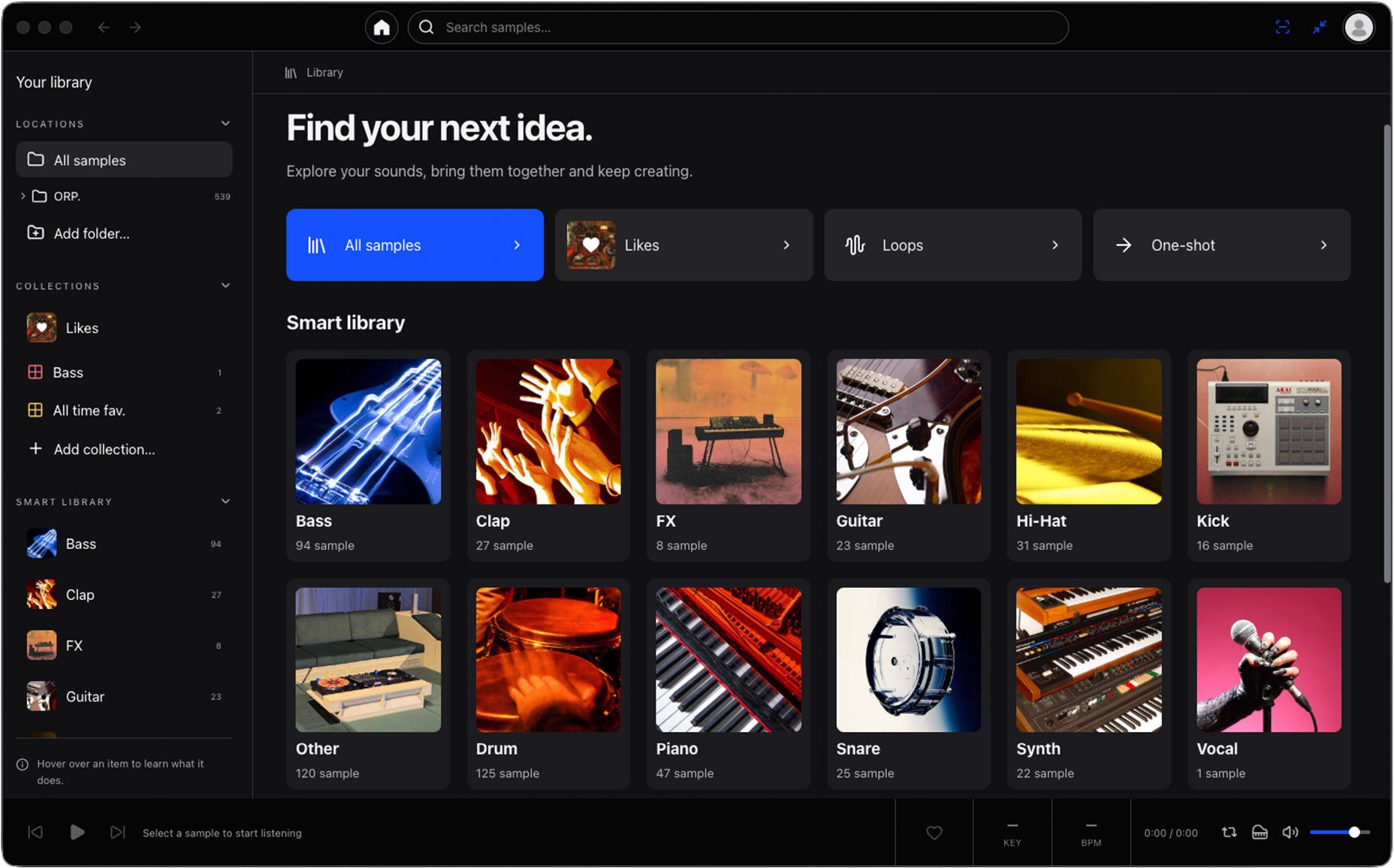
When you add your folders, ORP. analyzes the sounds and helps you move through your archive by type, BPM and key. Your original files are not moved or reorganized. Your sounds and analysis data stay on your computer.
More than a file manager.
In 1.0.0, you can add your sample folders to ORP., narrow the choices with search and filters, and build your own workflow with favorites and collections.
Use the sample keyboard to hear a sound at different notes before taking it into your DAW. With Audio Match, find related sounds in your archive and compare the results by ear—not by filename.
When you find the right sound, drag it directly into your DAW project.
Made for real archives.
ORP. did not begin with a single feature. It grew from the small problems that keep returning in a real sample archive. Search, analysis, the sample keyboard, related-sound discovery and the path into your DAW were designed as parts of one flow.
Version 1.0.0 is the first complete release of that process, but it is not the final form of ORP. What comes next will be shaped by real use.